
Vegetables are a healthy and nutritious addition to you parrot’s diet. They contain many vitamins, minerals and antioxidants which support the overall health of your bird. Many parrots who have not been exposed to a varied diet previously may be wary of trying new things, however there are lots of different ways to encourage your bird to eat vegetables which will be shared in this post!
When converting your bird to a healthier diet, it’s important to remember the 3 Ps – Patience, Perseverance and Presentation! Patience and perseverance come down to the fact that your bird is unlikely to try a new food the first time you offer it. They might be unsure if it’s safe or even edible – this means there will likely be some food waste along the way, which is completely normal. Some birds won’t try a new food on the 1st try, the 5th try, or even the 20th try! But maybe on the 21st try, they’ll pluck up the courage to give it a lick or nibble. Here at Best Behaved Birds HQ, our birds eat a diverse and varied raw whole food diet, but that doesn’t mean they love every single food. In fact it took our cockatiel, Fish, 6 years to decide that red bell peppers were delicious. Similarly, it took our green cheeked conure, Olive, 5 years to realise that pine nuts are yummy! Much of parrot diet conversion comes down to human behaviour in giving birds the chance to keep trying new things.
Similarly with presentation – not all parrots will want to eat a finely chopped mash. Some may only take to foods if they are presented in novel ways, or experiences that mimic their wild feeding habits like ground or canopy foraging.
So how do you get your bird to eat vegetables? Here are some of our tried and tested top tips for getting your parrot to eat healthy:
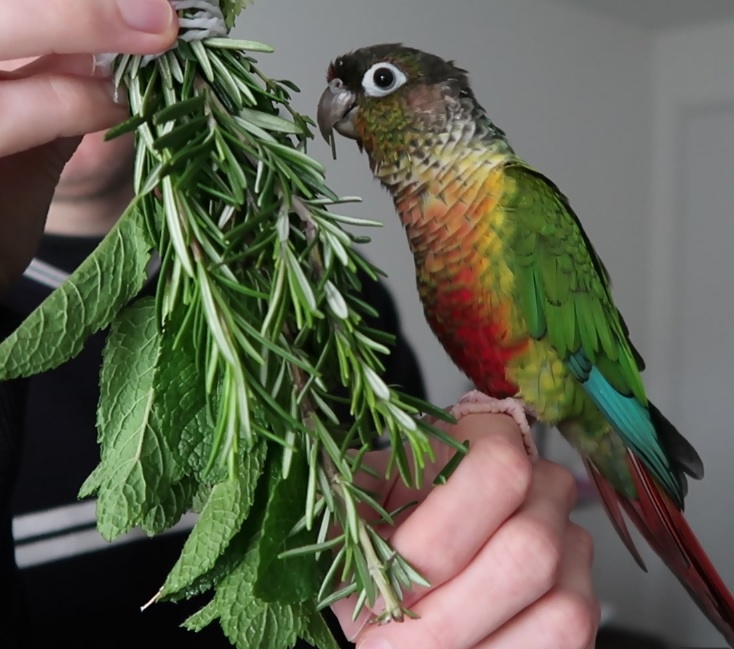
Fresh herbs like mint, basil, rosemary and thyme have been a key feature in getting our rescue flock onto a healthier diet. Herbs have a pleasant smell, a nice taste, plus lots of interesting textures. We thread herbs through the cage bars, or hang them up in bundles for the birds to shred. Want to know if a food item is safe or not? Check out the safe and toxic parrot food list we refer to by clicking here.
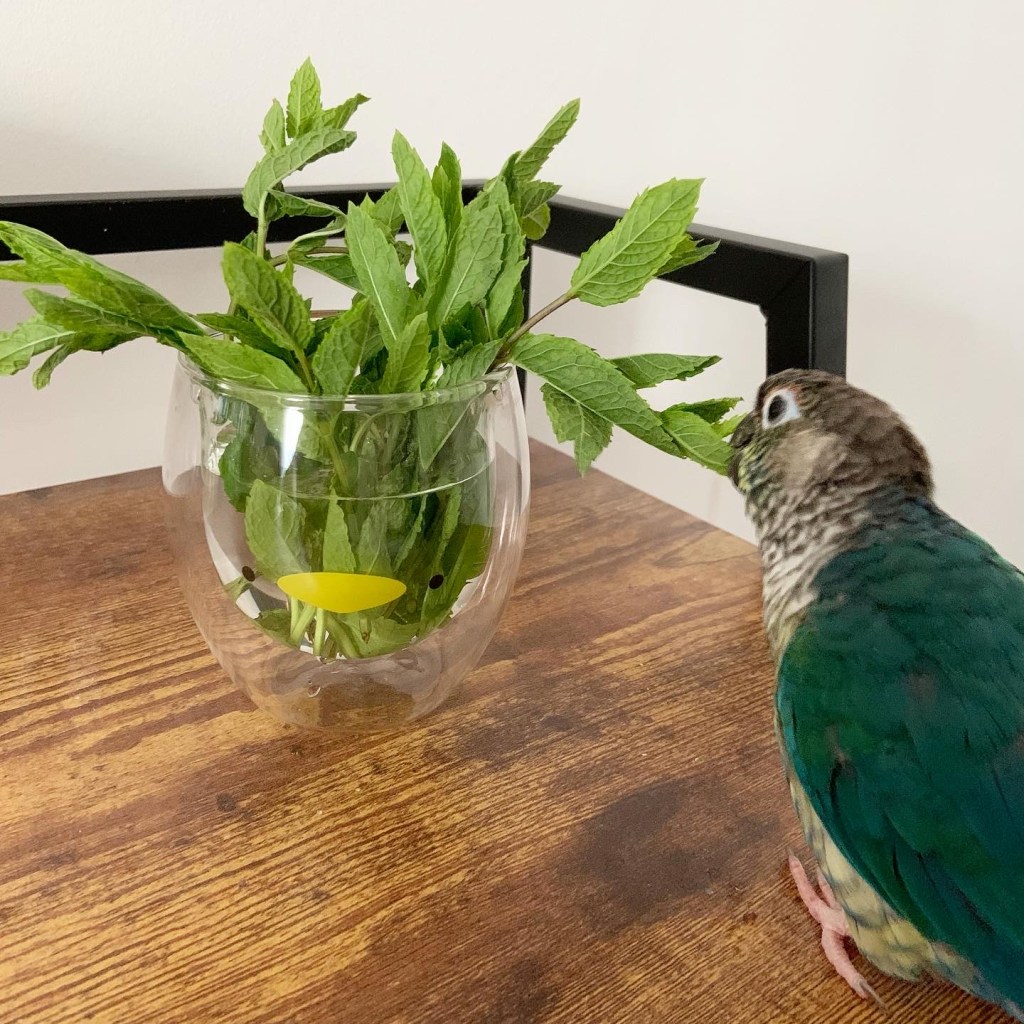
We also take the herbs a step further by playing in to the the cheeky nature of parrots! Has your bird ever tried to nibble one of your bird safe house plants? If so, why not disguise these herbs as a ‘new plant’ – it will be irresistible to them and they’ll likely want to steal a leaf or two!


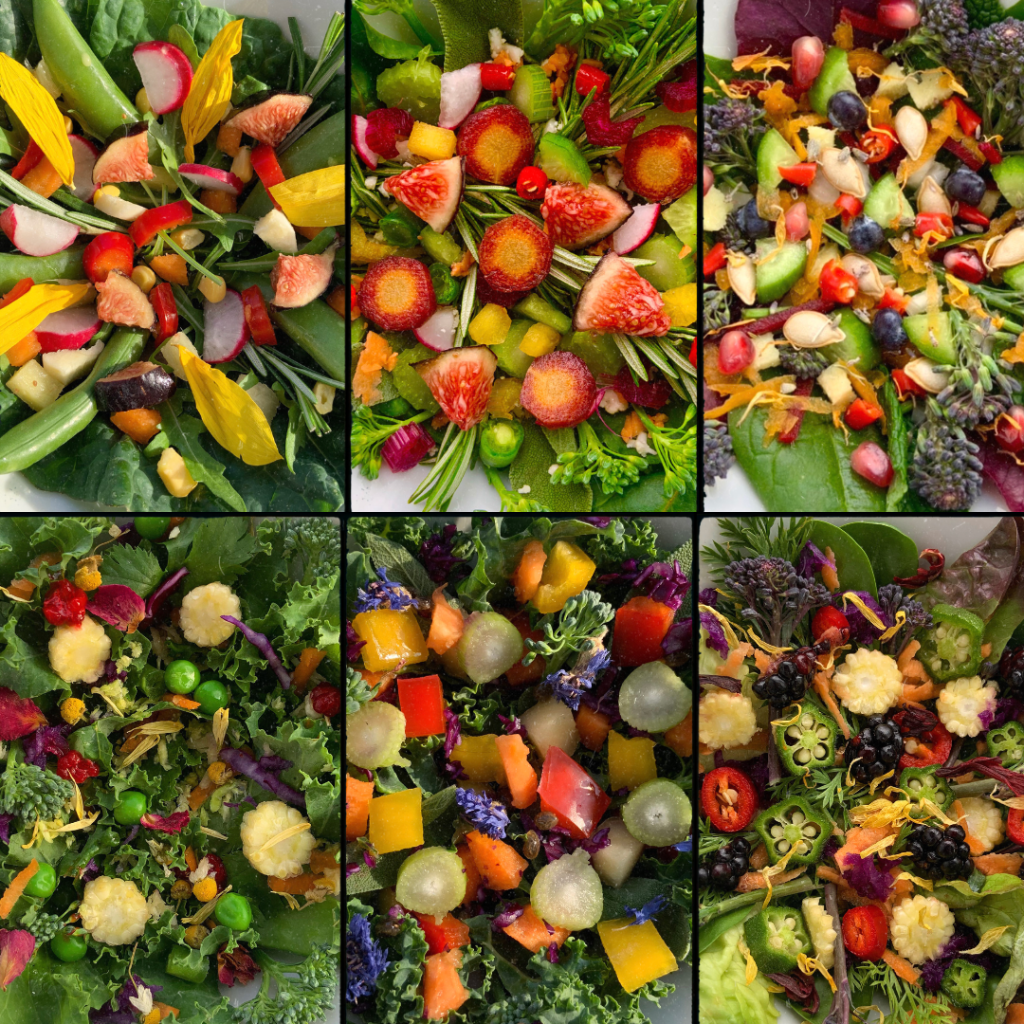
How we present the food to our birds can determine whether they want to try them or not. Many parrots will enjoy chunky vegetables on a stainless steel kabob skewer, whilst others might like to feed from a flat surface like a plate. You can also experiment with the shape and texture of foods if you are offering your bird a chop mix – big pieces, finely chopped or even grated veg can make the experience more tempting. You can even exercise your imagination by presenting foods in novel ways, such as hollowed out bell peppers filled with treats or carrot batons pushed through the bars.


Many birds won’t initially enjoy the wet texture of fresh vegetables, so instead you can start them on freeze dried vegetables. Freeze dried vegetables retain up to 95% of the nutrition found in the raw version of the vegetables. They’re also very crunchy which is appealing to many parrots. You can get our Tricolour Freeze Dried Vegetables for Parrots at our healthy parrot food store by clicking here.


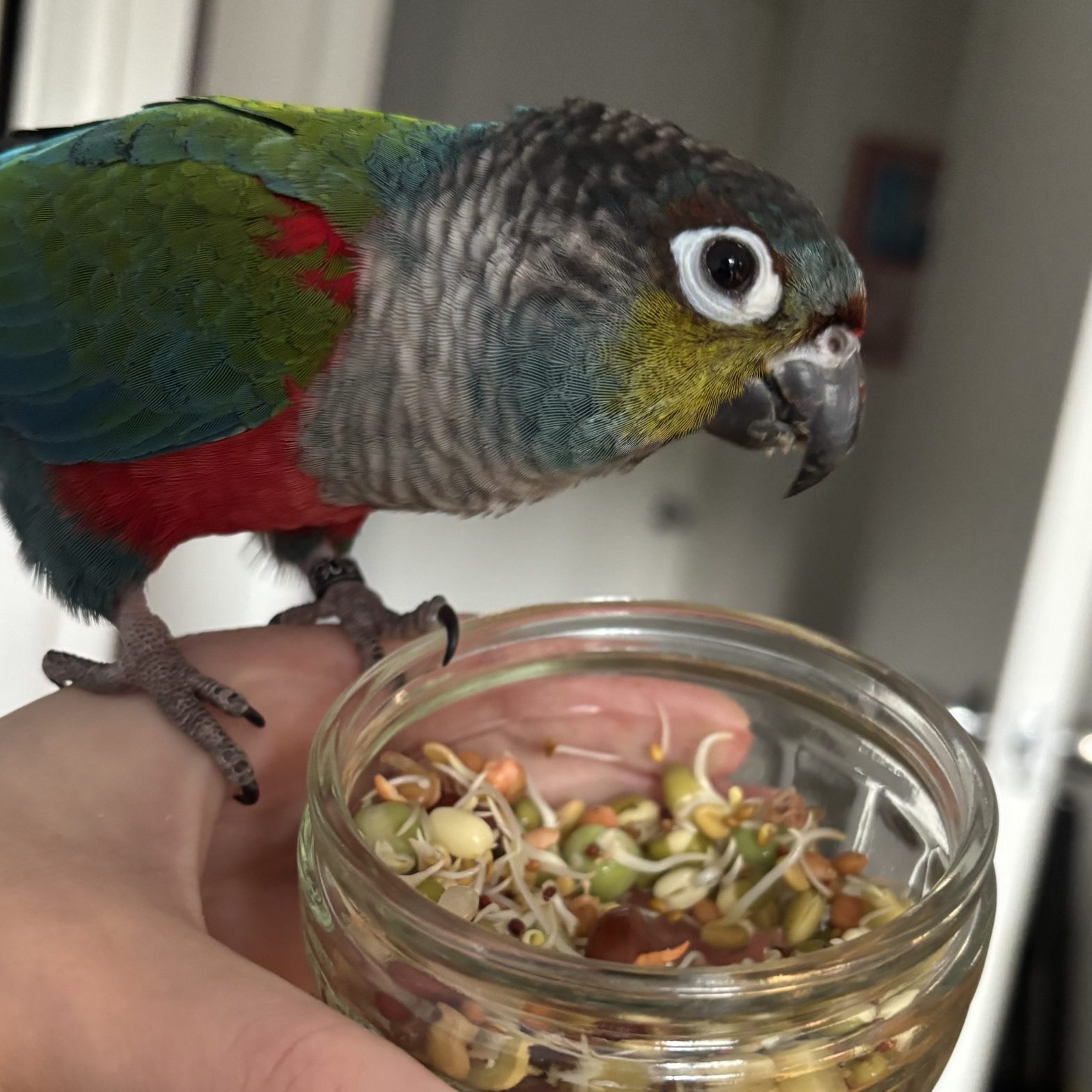
Soaking and sprouting seeds, grains and legumes are an important part of a parrot’s diet. When you soak items, it starts the germination process which uses up the fat reserves and unlocks healthy proteins which are essential for many bodily functions. Sprouts are living foods packed with nutrition and helpful enzymes, and are similar to what many parrots would consume in the wild. If you are new to soaking and sprouting, or you are nervous of trying, soaking is super easy – check out our simple tutorial by clicking here. If you are ready to learn to sprout, check out our easy to follow sprouting guide by clicking here.
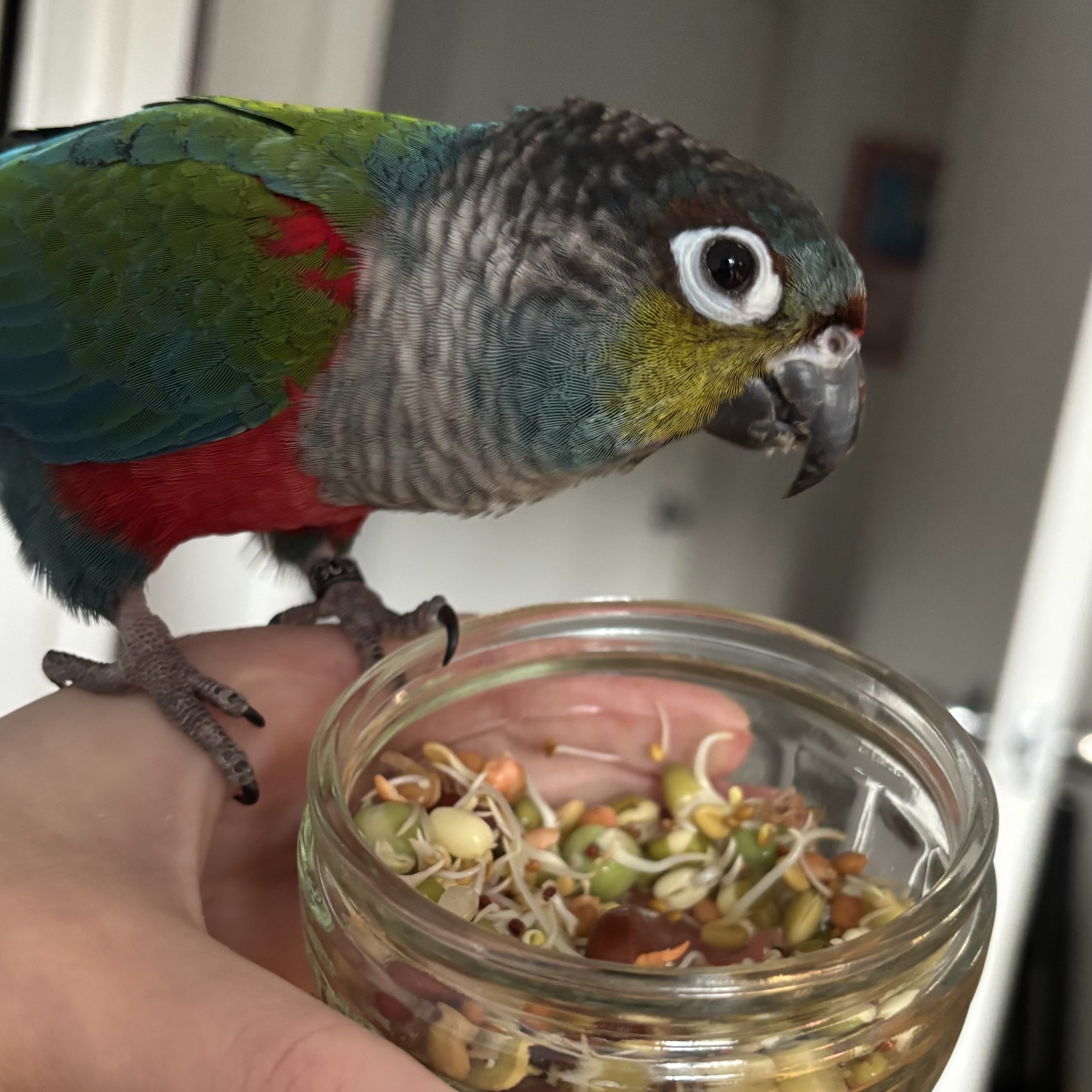
Sprouts can even be taken a step further by growing them on into microgreens. Microgreens are even more nutritious than the fully grown adult plant or vegetable, so they are an nutrient power house that every parrot would benefit from. Want to know how to do it? Click here for our easy tutorial.


If you have a green thumb, you can even grow bird safe flowers which make great enrichment items too – our flock enjoy violas, dandelions, buddleia and herbs like mint that have grown flowers. Before offering anything, always check to see if it’s safe, and never offer any flowers that have potentially be exposed to pesticides.


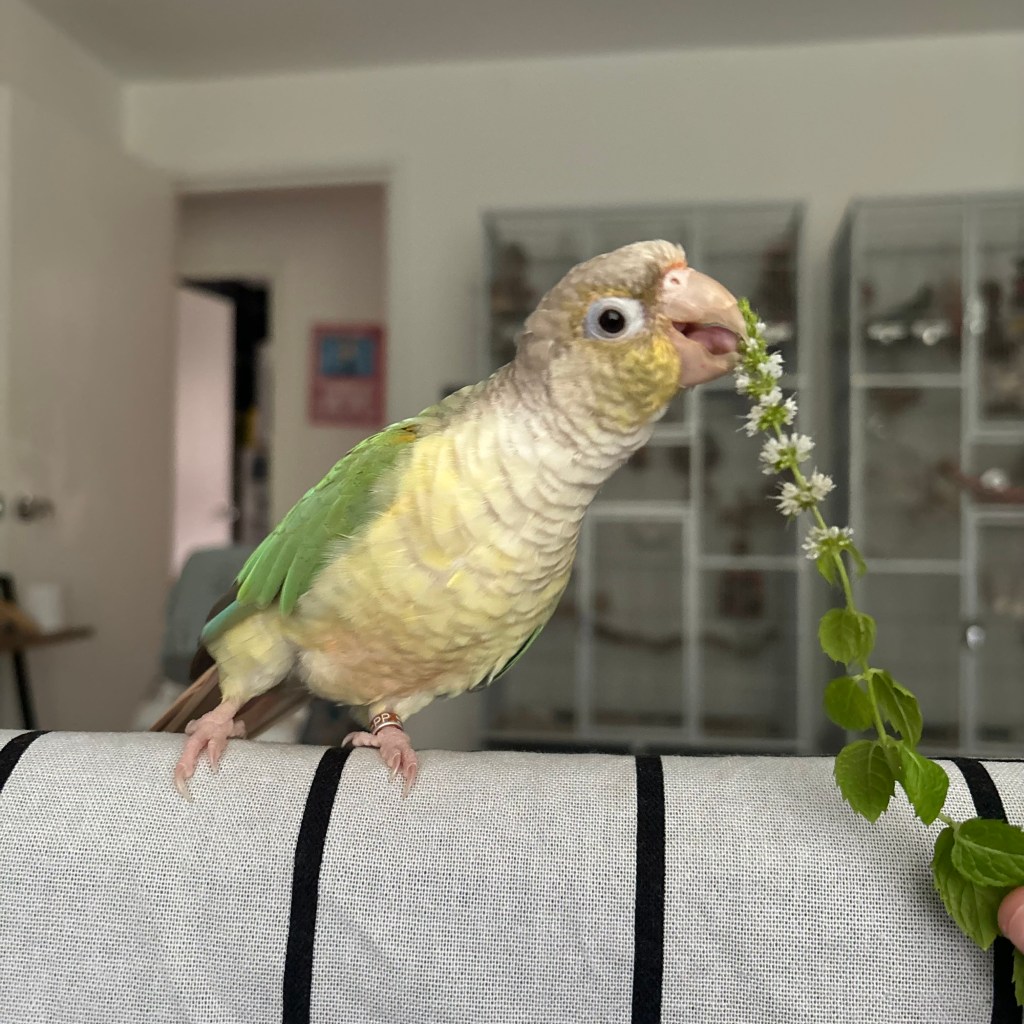
You are part of your bird’s flock, and your bird will likely look to you for safety and guidance. We can use this to our advantage by eating some of these healthy foods alongside our parrots. You can also make this into a game by having a plate of bird safe veggies in front of you and pretend that your bird isn’t allowed them. Playfully shoo them away if they come close to the plate a couple of times, then allow them to ”steal’ some of the healthy food you’ve prepared for them!
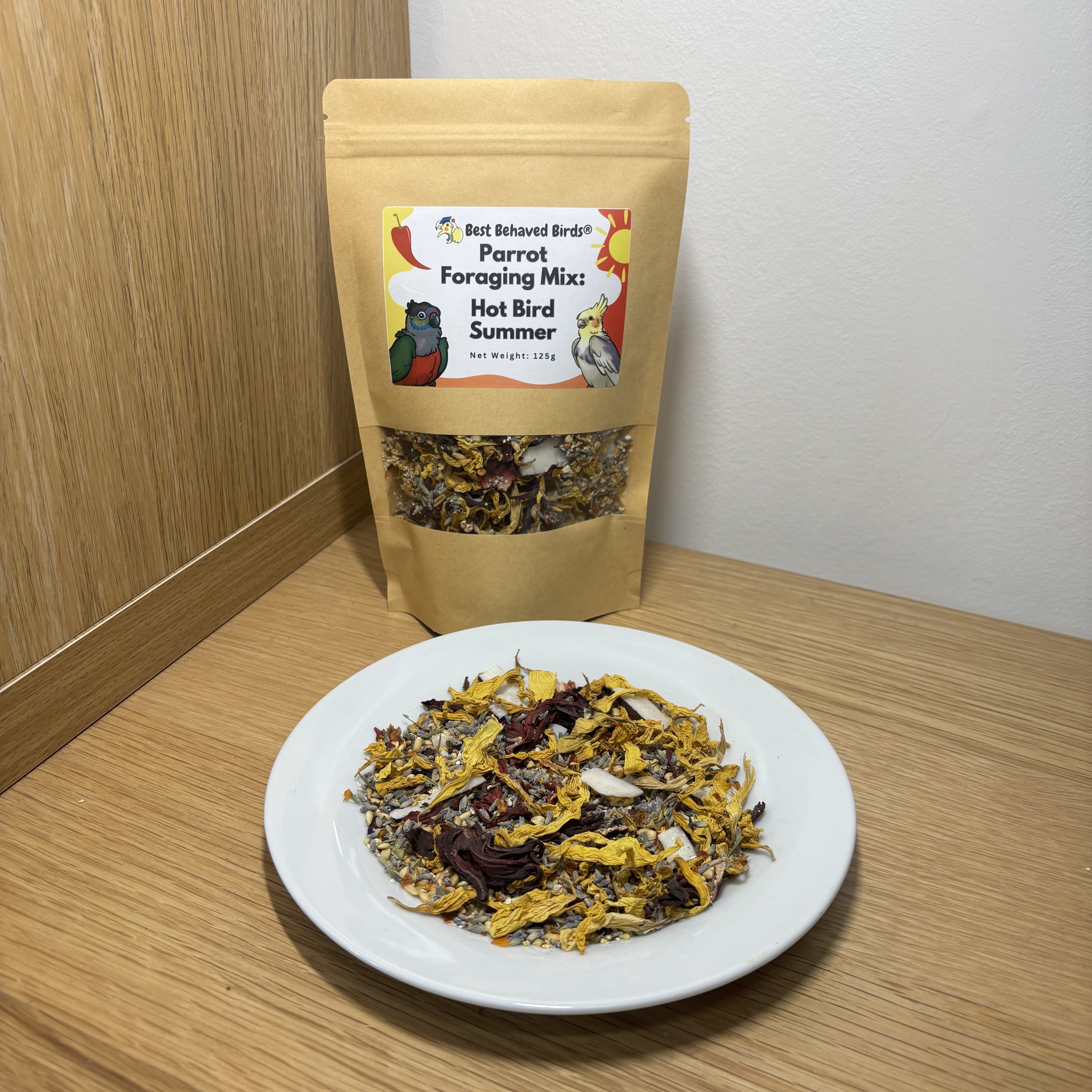
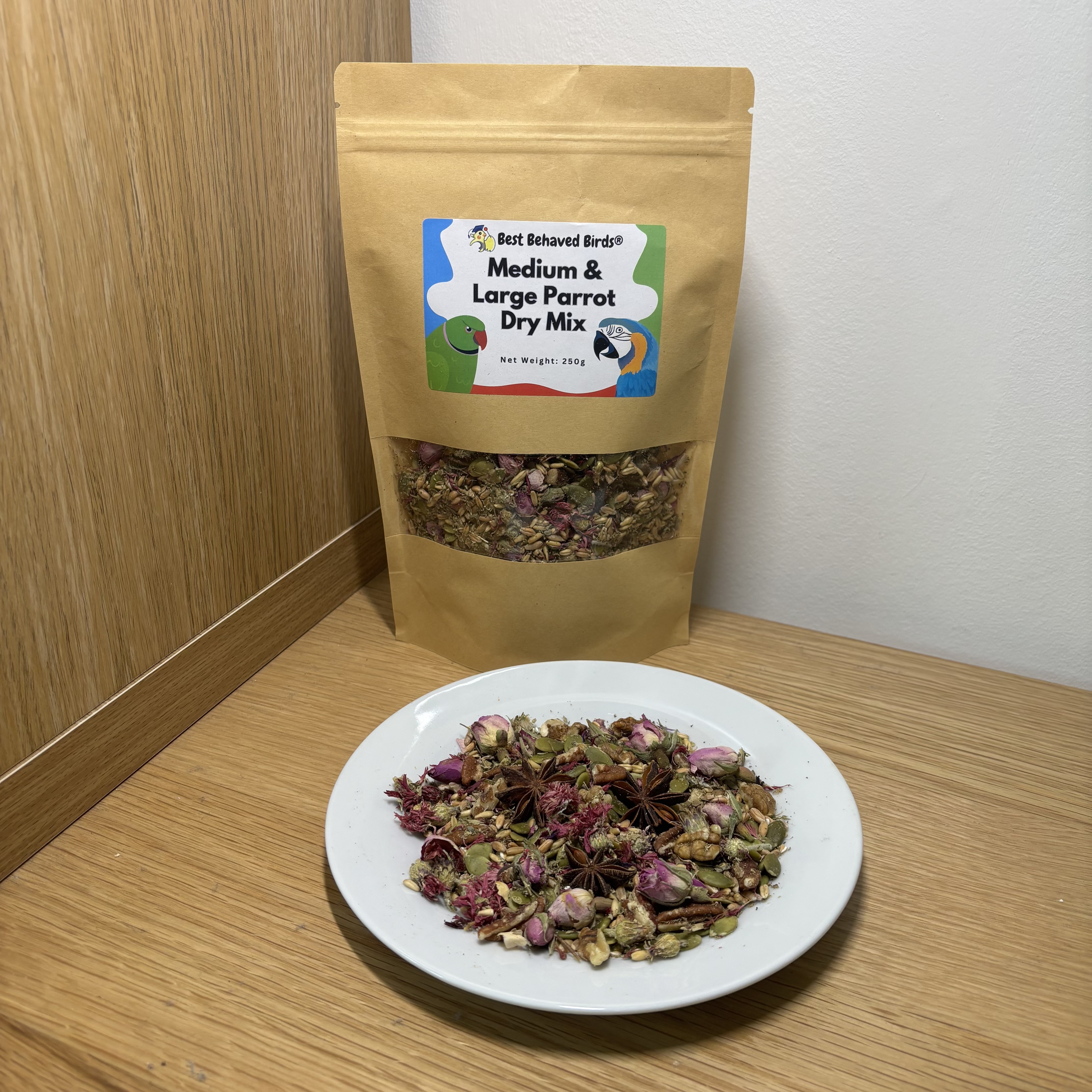
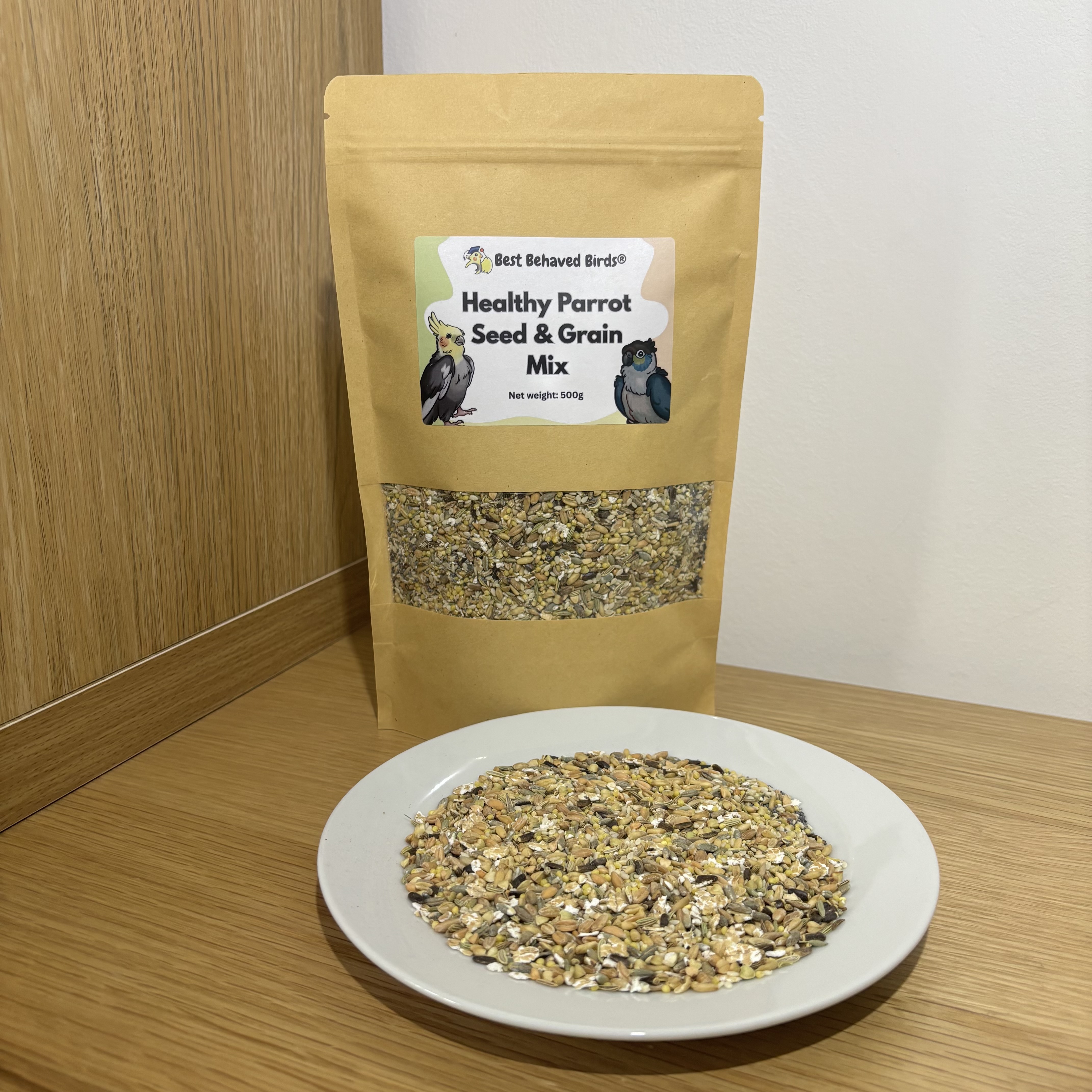
If you are really struggling with getting your bird to eat vegetables, you can begin to diversify their dry food instead. We have a wide variety of healthy foraging blends and dry mixes for your bird on our store which you can check out by clicking here.



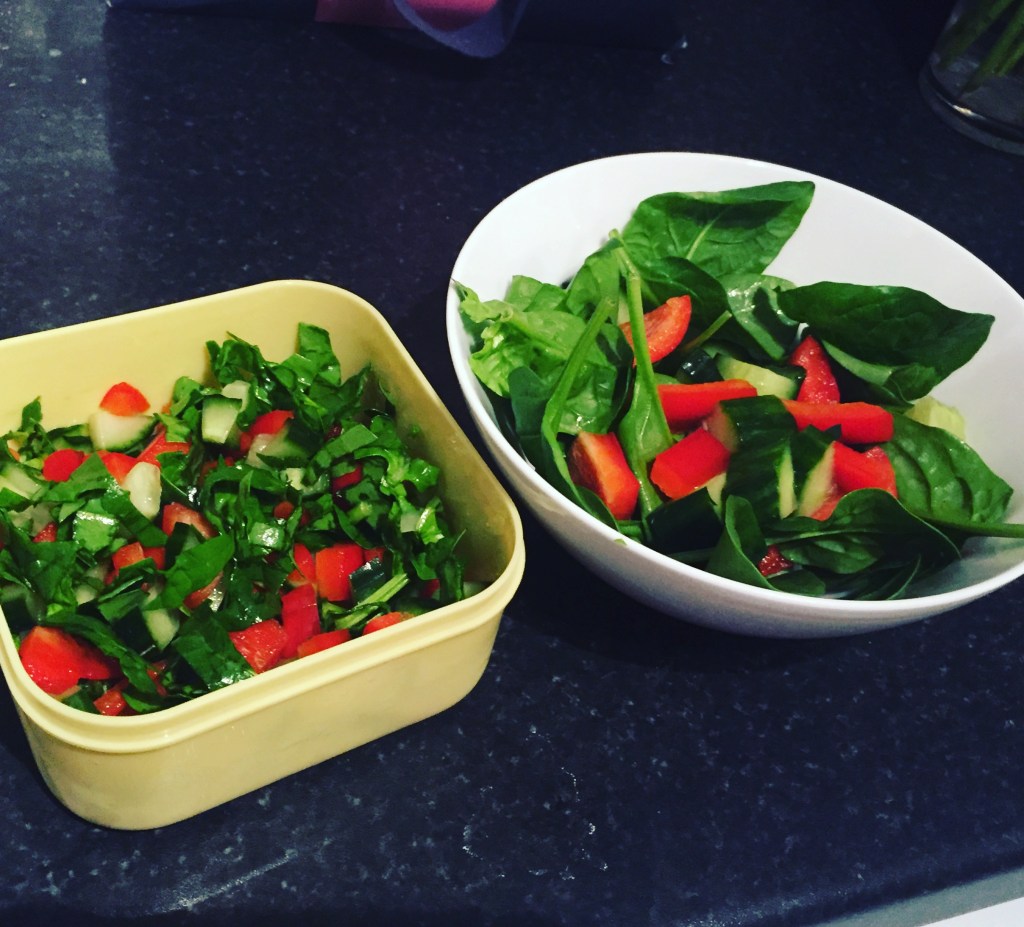
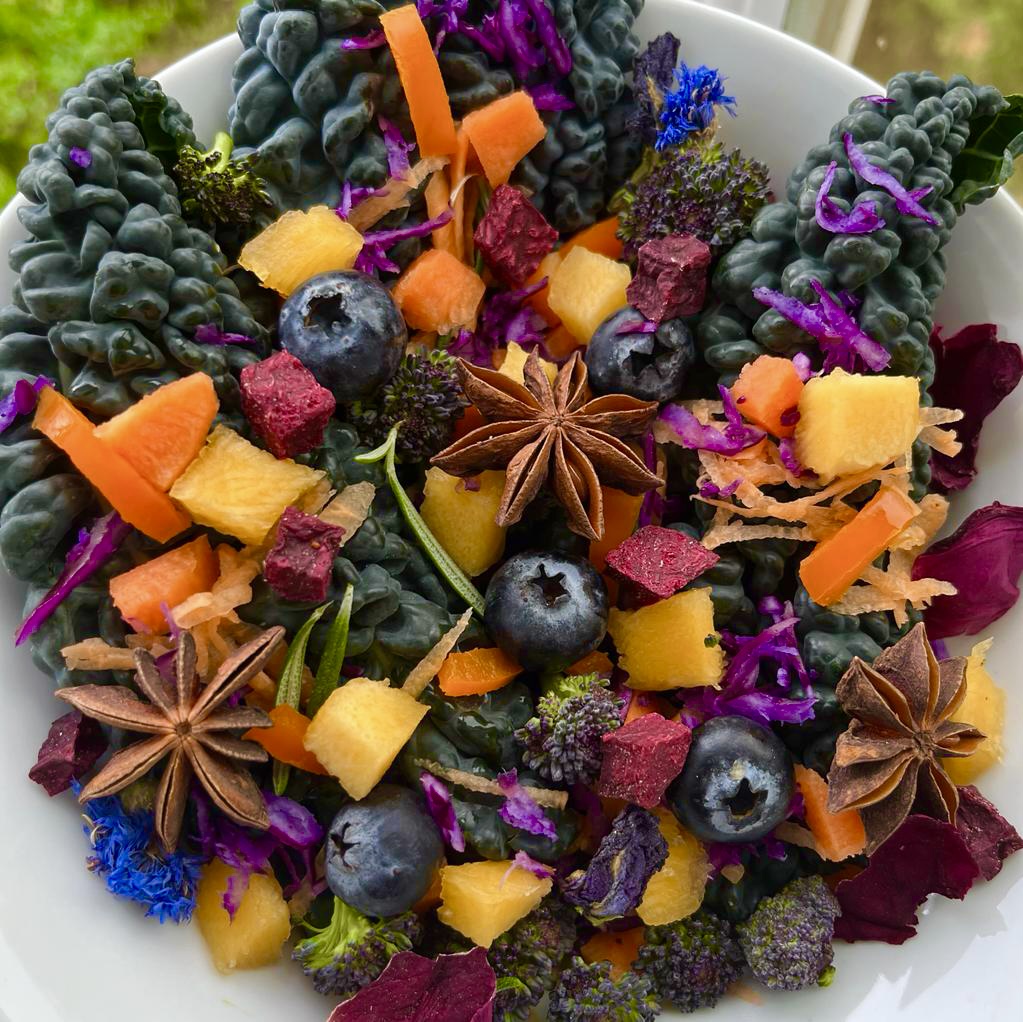
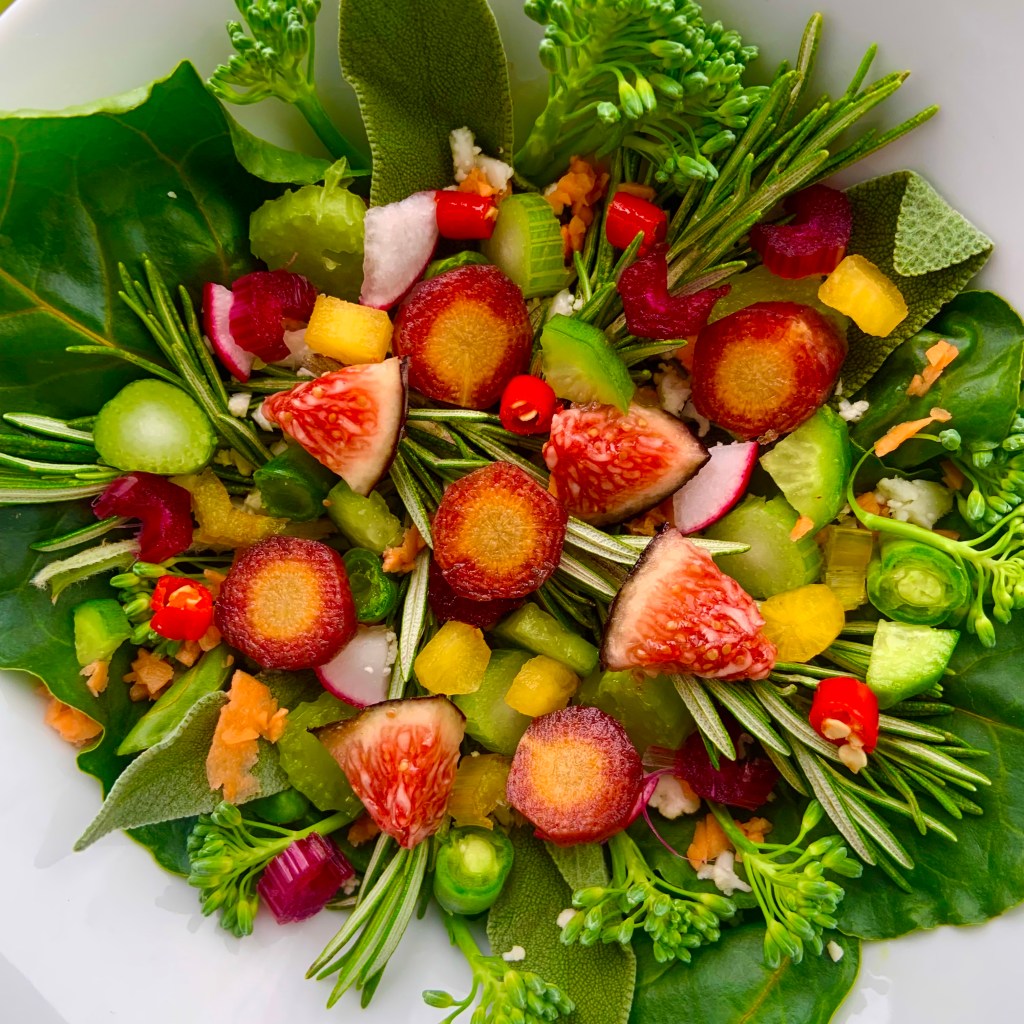
We have lots of chop recipes on our website which offer some inspiration on different items to offer – check out our recipes by clicking here.




Check out this video for more tips and tricks in getting your bird to eat healthy food by our very own certified professional bird trainer, Sophie Barnett.
 Best Behaved Birds