

Often, when we talk about parrot training it’s in very broad terms. There are many core concepts and methods that work amazingly well across many different parrot species. Techniques such as positive reinforcement, target training, recall, stationing and even step up training are all universally recognised and used with great success.
However, something that often trips up many parrot owners and newer trainers is tailoring these techniques to different parrot species or individual birds.
It’s really important to firstly recognise that every animal is an individual. They have their own learning histories, genetic tendencies, environmental learning outcomes and preferences. When we are working with any parrot it’s always useful to keep in the back of your mind that this bird is an individual and will have quirks or reactions that may be slightly different to others.
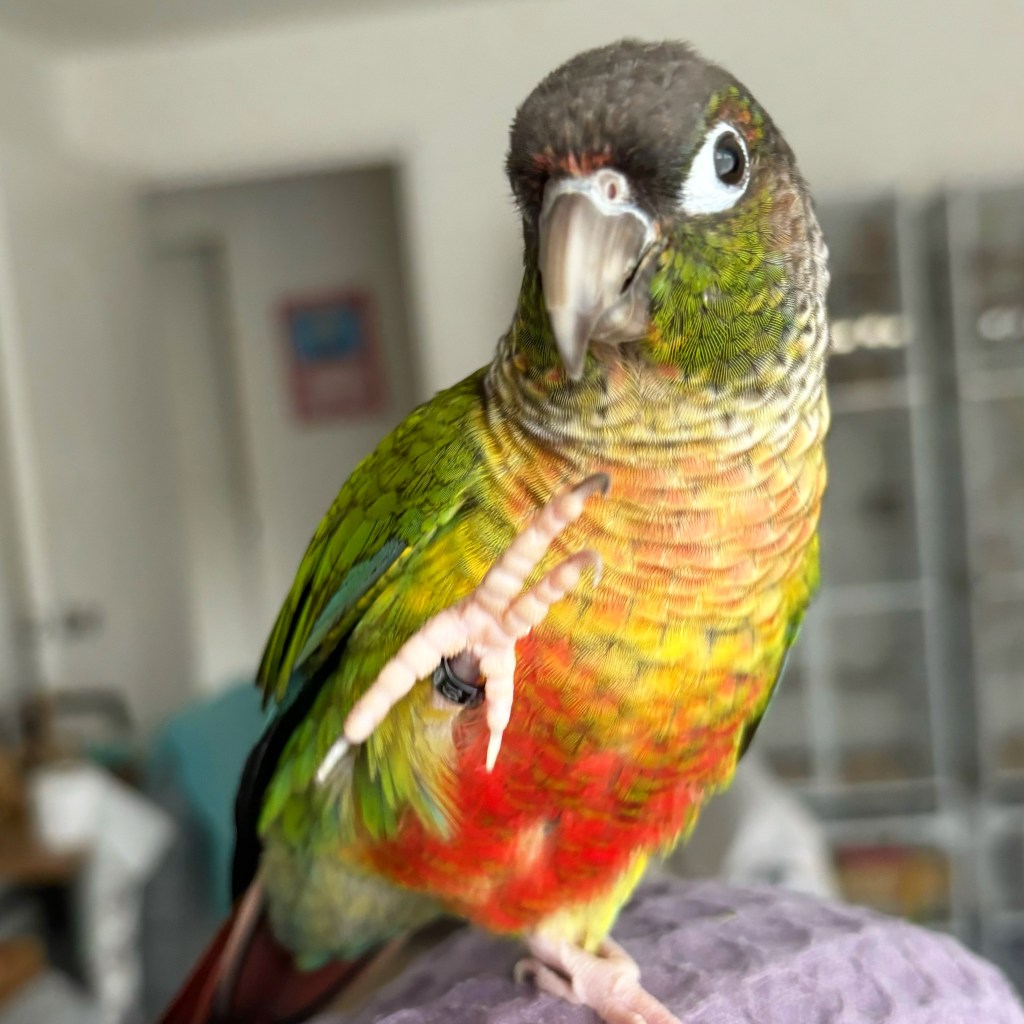
This can really help us adapt quickly to that individual birds needs, adjust universally applied training methods to be more effective and even improve our relationship/bond with our bird during interactions. The most common ways this is applied is through close observation of individual responses and noting down what is most reinforcing for that individual bird.
For example, we have a pair of rescued green cheeked conures called Pickles & Scampi. Both enjoy training and both react in similar ways to many training methods. However, despite being the same species, Pickles has different treat preferences to Scampi. They both react slightly differently to various training methods such as waving with different feet, or responding to step up cues.
Another important factor to consider when training any parrot is it’s species. A very common mistake is trying to train every parrot using a textbook approach. A budgie is going to react very differently to a macaw when you ask them to step up or fly to you due to very obvious differences.
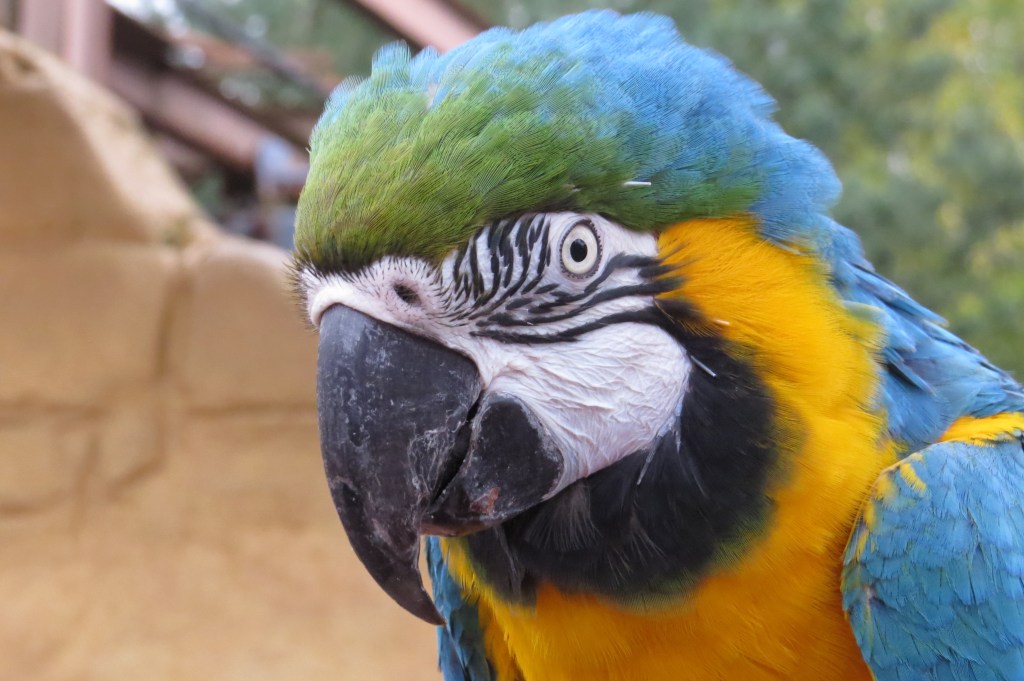
Some trainers look at animal training using the analogy of dance partners. You cue/reinforce, your training partner reacts/exhibits behaviours, and you continue back and forth. This dance is going to seem very different from a macaw where it may be slow and relaxed, to a budgie where the pace may be more speedy and frantic. We want to keep in sync with our partner as if we lose our timing the training will suffer.
Doing some background research into the species you want to train with along with observing your own bird closely is really useful here. How quickly do they move or react to cues? How consistent are they with their responses to prompts? Do they have any traits that we need to be aware of?
As a rule when training any bird, treating it as an individual and tailoring any training techniques to their individual needs will set a trainer up for more success than rigidly sticking to any training principle. If we want to be good ‘dance’ partners, we need to constantly be adapting our approach and thinking on our feet to achieve the best results in our training.
Are you struggling with your training or understanding your birds’ responses? Book a consultation with us today: Book Here!
 Best Behaved Birds